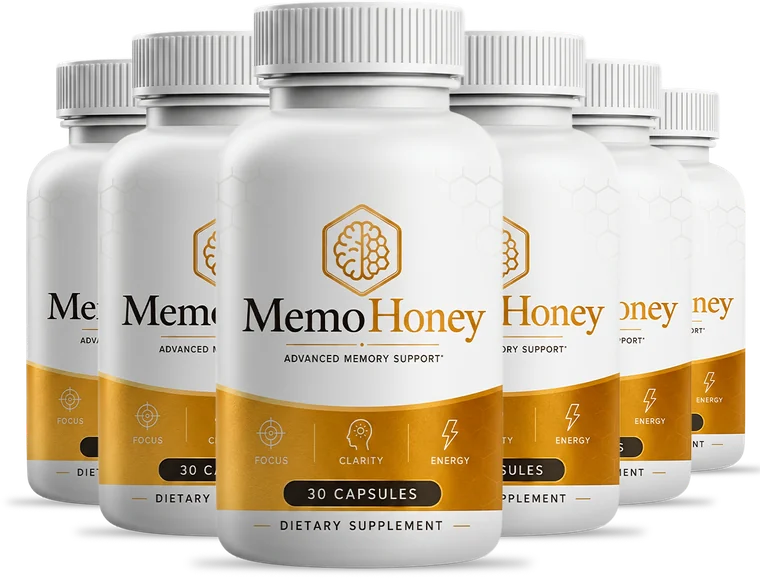
Circulation vs. Cellular Energy: MemoHoney's Two Mechanisms
MemoHoney's seven ingredients split cleanly into two functional groups: supporting blood flow, and fueling cellular energy.
Understanding the two-front approach explains why the formula includes as many ingredients as it does.
Front one: blood flow and circulation
L-Arginine, L-Arginine AKG, L-Citrulline HCl, and L-Citrulline Malate all feed into the same pathway: your body converts these amino acids into nitric oxide, which relaxes and widens blood vessels. Wider vessels mean more oxygen and nutrients reaching brain tissue.
The AKG-bound form of arginine is included specifically to extend that effect over more of the day, rather than producing a short spike and fade. The citrulline forms work as a kind of backup fuel source, since your body recycles citrulline back into arginine, keeping the cycle going even after the initial dose wears off.
Front two: cellular energy and neuroprotection
Niacin (Vitamin B3) is the formula's energy-side ingredient. It's a building block for NAD+, a molecule your cells need to generate usable energy, and it also plays a role in supporting microcirculation — helping make sure the other ingredients actually reach their target tissue.
Beta-Alanine rounds out the formula on the protective side. It raises carnosine levels in the brain, and carnosine functions as a natural antioxidant that helps buffer cells against the kind of oxidative wear that accumulates with age and chronic stress.
The bottom line
Circulation gets the fuel there; cellular energy puts it to use; antioxidant protection helps preserve the gains over time. See the full mechanism breakdown for how it all fits together.